

How to Install the Best Home Security System in Nigeria
When it comes to the safety and security of your home in Nigeria, installing a top-notch home security system is a wise decision. With the rising concerns about burglaries and property-related crimes, taking proactive steps to protect your family and belongings is essential. In this comprehensive guide, we will walk you through the process of setting up or how to install the best home security system in Nigeria, ensuring your peace of mind.
Assessing Your Home Security Needs
How to Install the Best Home Security System in Nigeria
Before diving into the world of home security systems, it’s crucial to assess your unique security needs. Nigeria, like many places, has specific security challenges that you should consider. Understanding your local security environment is the first step. Take note of crime rates and common types of incidents in your area. This knowledge will help you make informed decisions when selecting your home security system.
Can I Install a Home Security System Myself?
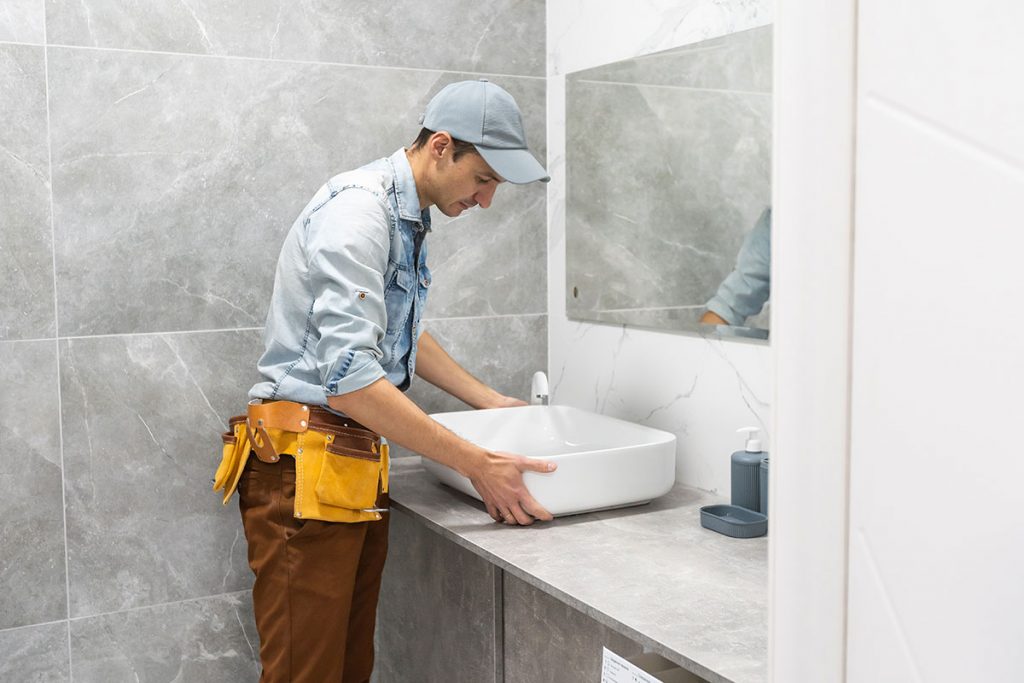
You might be wondering if you can set up a home security system on your own. The answer is yes, but it’s essential to consider your technical skills and the complexity of the system you choose. Some systems are designed for easy DIY installation, while others may require professional assistance. If you’re confident in your abilities and choose a user-friendly system, self-installation can be a cost-effective option.
Choosing the Right Home Security System
Which Home Security System is Easiest to Install?
In Nigeria, where simplicity and effectiveness matter, choosing the easiest-to-install home security system is a smart move. Wireless systems, such as those based on Wi-Fi or cellular connections, are generally more straightforward to set up compared to wired systems. They require minimal drilling and wiring, making them a popular choice.
Which Security System is Best for My Home?
The best security system for your home will depend on various factors, including your budget, the size of your property, and your specific security needs. A good starting point is to explore the three main types of home security systems: burglar alarms, CCTV surveillance, and access control systems. Consider your priorities – whether it’s deterring burglars, monitoring your property, or controlling who enters your home – when making your selection.
Customizing Your Home Security System
What Equipment Do I Need for a Home Security System?
Once you’ve chosen the type of security system, you’ll need to determine the equipment you require. For a basic security system, you’ll need control panels, sensors (door and window sensors, motion detectors), cameras, and alarms. Advanced systems may include additional features like smart locks, smoke detectors, and environmental sensors. Customize your system to meet your specific needs.
What Components Do I Need for a Home Security System?
Each component of your home security system serves a unique purpose. Control panels act as the “brains” of your system, sensors detect unauthorized entry, cameras provide visual surveillance, and alarms notify you of potential threats. When designing your system, ensure you have all the necessary components to cover your home adequately.
Installing Your Home Security System
How Many Cameras Do You Need for Home Security?
The number of cameras you need for your home security system depends on the size and layout of your property. Generally, it’s advisable to place cameras at all entry points, such as doors and windows, and in areas with valuable assets. For smaller homes, a few strategically placed cameras may suffice, while larger properties may require more extensive coverage.
Which Home Security Systems Can Be Hacked?
In an age of increasing connectivity, the risk of hacking is a valid concern. While no system is entirely immune to hacking, you can take steps to minimize the risk. Opt for reputable security providers who regularly update their systems and use strong encryption. Implement secure passwords and enable two-factor authentication to protect your system from potential threats.
Maintenance and Monitoring
A well-maintained security system is an effective one.
1. Regular System Checkups and Upkeep
Schedule routine maintenance to ensure that all sensors, cameras, and devices are working correctly.
2. Enrolling in Professional Monitoring Services
Consider subscribing to professional monitoring services, which can provide 24/7 surveillance and response in case of an emergency.
3. Responding to Alarms and Alerts
Know how to respond when an alarm is triggered. Have an emergency plan in place to ensure your family’s safety.
Can Burglars Disable Alarms?
Burglars may attempt to disable alarms, but with the right security measures in place, you can deter such attempts. Regular maintenance of your system is essential to ensure it functions correctly. Additionally, consider enrolling in professional monitoring services that can respond to alarms promptly, making it harder for burglars to disable your system undetected.
Legal and Ethical Considerations
When installing a home security system in Nigeria, it’s essential to be aware of legal and ethical considerations. Respect your neighbors’ privacy, register your surveillance system with local authorities if required, and adhere to privacy laws. Being a responsible homeowner means safeguarding not only your property but also the rights and privacy of those around you.
Tips for Maximizing Home Security
In addition to setting up your home security system, awareness and preventive measures are key to maximizing your home security. Educate your family members about how the system works and what to do in case of an alarm. Secure entry points and perimeters with robust locks and barriers, and establish clear emergency response plans to ensure your family’s safety in any situation.
Assessing Your Home Security Needs
Before diving into the technicalities of home security systems, it’s essential to understand your specific needs. Nigeria, like many other places, has unique security challenges. Here are some steps to help you assess your home security needs:
1. Understanding Your Local Security Environment
Start by familiarizing yourself with the security landscape in your area. Talk to neighbors, check local crime statistics, and identify any common security concerns in your neighborhood.
2. Identifying Vulnerable Areas in Your Home
Walk around your property and evaluate potential security weak points. These could include doors, windows, dark corners, or blind spots. Understanding these areas will help you design a system that addresses your home’s specific vulnerabilities.
3. Defining Your Budget and Priorities
Determine how much you are willing to invest in your home security system. Knowing your budget will guide your choices and help you strike a balance between essential security features and optional extras.
Choosing the Right Home Security System
Once you have a clear picture of your security needs, it’s time to select the right security system for your Nigerian home.
1. Types of Home Security Systems
Burglar Alarms: These systems use sensors to detect unauthorized entry and trigger an alarm. They are cost-effective and straightforward.
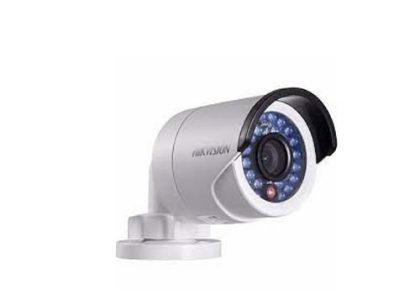
CCTV Surveillance: Closed-circuit television cameras offer real-time monitoring and recording, providing valuable evidence in case of a security breach.
Access Control Systems: These systems use technology like keycards, biometrics, or PIN codes to control who can enter your home.
2. Comparing Features and Technologies
Look for systems with features that align with your needs, such as motion sensors, smartphone connectivity, and night vision for cameras.
3. Considering Compatibility and Integration
If you plan to expand your security system in the future, make sure it’s compatible with additional devices and integrates well with other smart home features.
Finding Reliable Home Security Providers
Choosing the right security provider is as crucial as selecting the right system. Here’s how to find one:
1. Researching Local Security Companies
Invest time in researching local security companies in Nigeria. Look for those with a good reputation, long-standing experience, and positive customer reviews.
2. Checking Customer Reviews and Ratings
Reading customer reviews will give you insights into the company’s reliability, customer service, and the quality of their products and services.
3. Requesting Price Quotes and Consultations
Contact the companies you’ve shortlisted and request price quotes and consultations. This will help you gauge their professionalism and understand the costs involved.
Customizing Your Home Security System
Your security system should be tailored to your home’s unique layout and security needs.
1. Designing the Optimal System Layout
Work with your chosen security provider to design a layout that covers all vulnerable areas of your home.
2. Selecting Appropriate Sensors and Devices
Choose sensors and devices that are suited to your home’s layout and needs. For instance, use motion sensors for large open spaces, and door/window sensors for entry points.
3. Integrating Smart Home Features
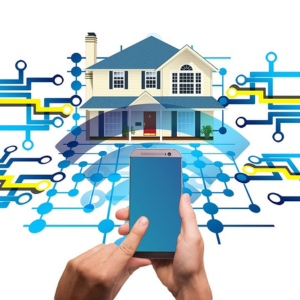
Consider integrating your security system with smart home features, such as remote access and control through your smartphone or voice-activated systems like Amazon Alexa or Google Assistant.
Installing Your Home Security System
Now that you have your system designed, it’s time to install it.
1. DIY vs. Professional Installation
Choose between DIY installation or professional installation based on your comfort level with technology and the complexity of your system.
2. Ensuring Proper Placement of Sensors and Cameras
Place sensors and cameras strategically to cover all vulnerable points and areas of concern.
3. Setting Up Alerts and Notifications
Configure your system to send alerts and notifications to your smartphone or other devices in real-time. This will keep you informed about any security breaches.
Call Only On The Professionals
Installing the best home security system in Nigeria is a proactive step toward protecting your loved ones and property. By carefully assessing your security needs, choosing the right system, customizing it, and staying vigilant, you can enjoy the peace of mind that comes with a secure home. At Danway Technologies, we stay true to our words and deliver the quality service that puts the mind of our customers at rest. Remember that your home’s security is an ongoing process, so stay informed about the latest advancements in home security technology and best practices. Your home and family are worth the investment.